
LP+-LP (2) / EN/ Cut hosting friction and launch your e-commerce // ES/ Corta con la fricción de contratar un hosting y lanza tu comercio electrónico
EN/ Here is the newsletter which refers to this post. // ES/ Aquí el boletín que hace referencia a este post.
🇬🇧 English
Hello :) Don’t pay for servers (hosting) you don’t use.
I’ve always wanted to have an online store… I thought about selling vinyl records, but I can’t deal with the idea of having to input titles, covers, track names, durations, credits, etc… it’s beyond me, as much or more than having to hire hosting for the website. I see it like paying rent for a commercial space that you only open on weekends.
Serverless means not needing a server, that is, paying only when someone visits your store. Zero visits, zero cost. A thousand visits, you pay for a thousand visits. That simple. When someone enters, it turns on. When they leave, it shuts down. Meanwhile, you pay nothing.
I’ve built a template to make it easier to create an online store based on this concept.
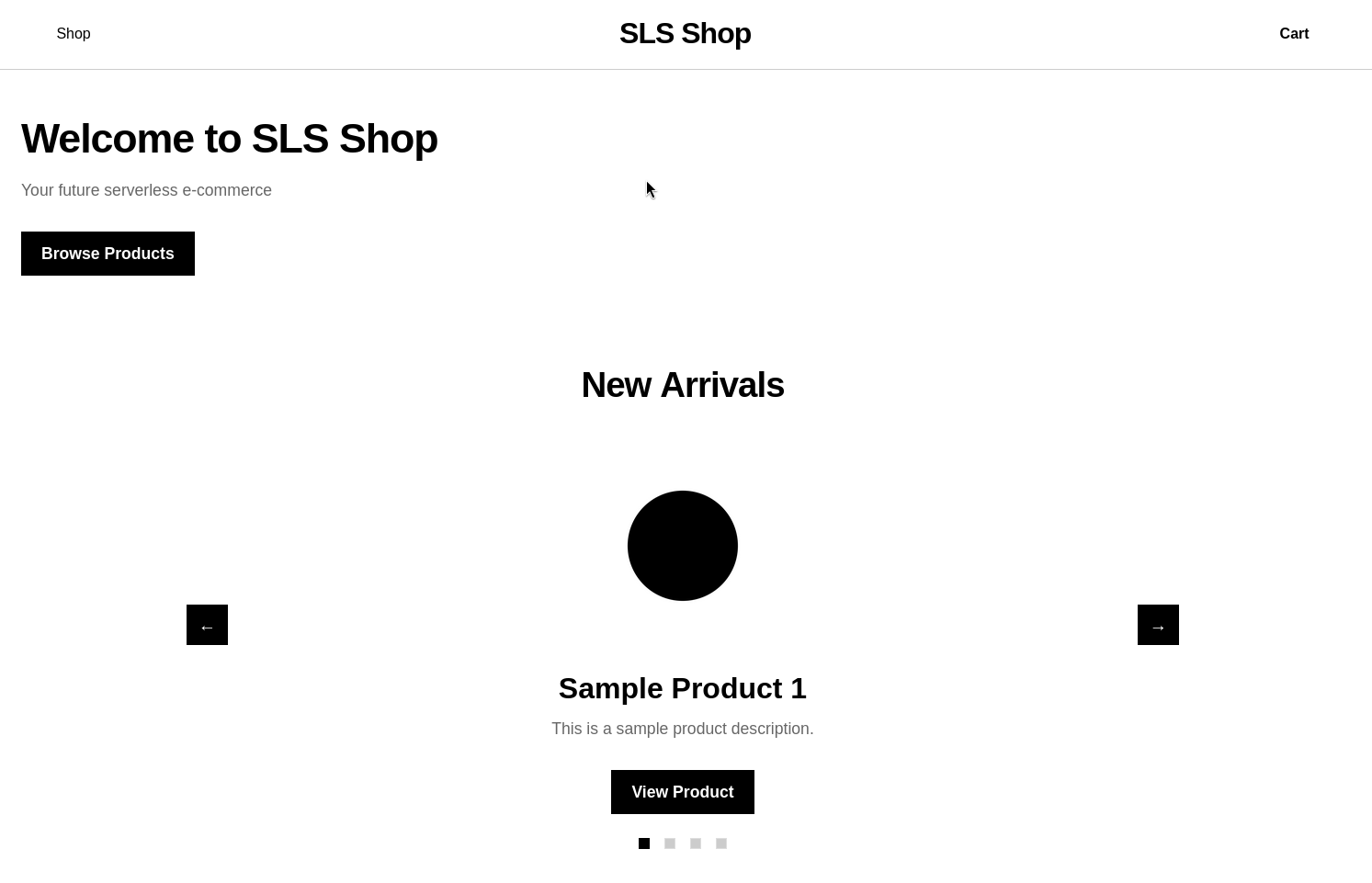
Built with:
- Vite for compiling.
- Vue for the interface (with Pinia for state management).
- Netlify for serverless functions and deployment.
- Neon for database (PostgreSQL). Charges you per usage (CU, Compute Units). Low traffic = zero cost. High traffic = you’re probably selling and can afford it.
- Stripe for payments.
But build it with whatever the fuck you want. If you’re technically inclined, I encourage you to question every part, rip out what you don’t like, and build based on your preferences. The idea isn’t for you to copy this line by line unless you want to… The idea is for you to understand the concept and adapt it to your philosophy or way of working.
Why does this exist? Because traditional e-commerce is fine, but not for everyone.
Shopify or PrestaShop work like a charm. If you have budget and want to start selling tomorrow, don’t overthink it… But if what you want is to understand how your own store works, have total access to your data, not pay commissions per sale, and build on something that’s yours… you need something else.
This template is that something else. It’s not perfect. I’m still using third-party infrastructure. I’m not going to sell you absolute digital sovereignty. But I am bringing you fewer dependencies, lower fixed costs, and more control.
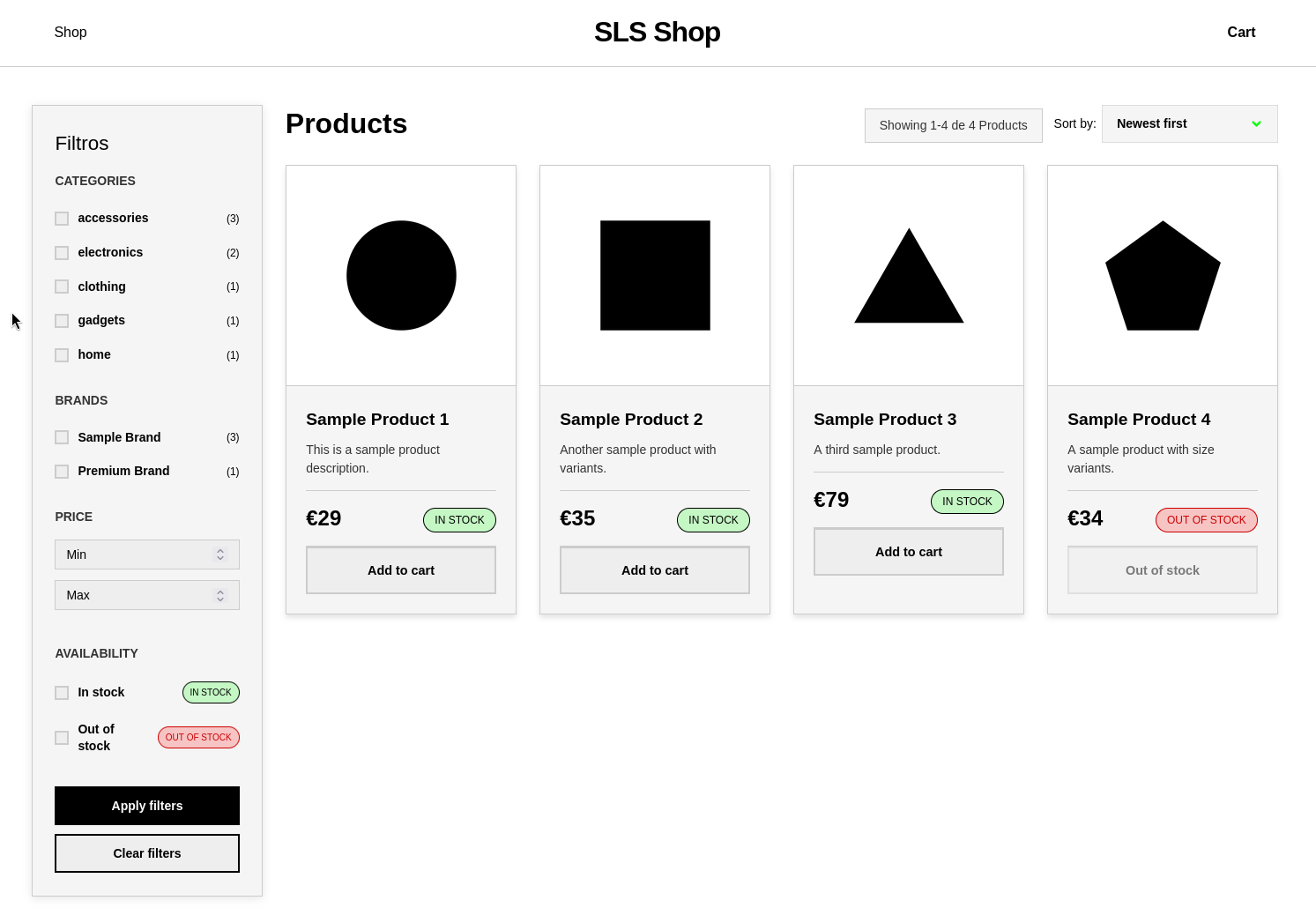
If you want to go more radical and host everything on your own server, do it. If you want to plug in your favorite content manager, go ahead. If you want to swap the database for JSON files, perfect. The code is there (Github). Clone it, break it, improve it. Do whatever you want with it.
I’m not here to revolutionize anything. I’m here to tell you there’s another way to build e-commerce. Lighter, cheaper, and more yours. In a couple of months I’ll show you the project I’m building based on this.For now, here’s a DEMO so you can get an idea and start getting inspired ;)
Virtual hug,
🇪🇸 Español
Siempre he querido tener una tienda online… pensé en vender música en vinilo, pero no puedo con la idea de tener que meter títulos, portadas, nombres de los temas, su duración, créditos, etc… es superior a mi, tanto o más que tener que contratar un hosting para alojar el sitio web. Lo veo como pagar un local comercial que por ejemplo solo abres los fines de semana.
Serverless significa no necesitar servidor, es decir, pagar solo cuando alguien visita tu tienda. Cero visitas, cero coste. Mil visitas, pagas mil visitas. Así de simple. Cuando alguien entra, se enciende. Cuando se va, se apaga. Mientras tanto, no pagas nada.
He montado una plantilla para facilitar la construcción de una tienda online basada en este concepto.
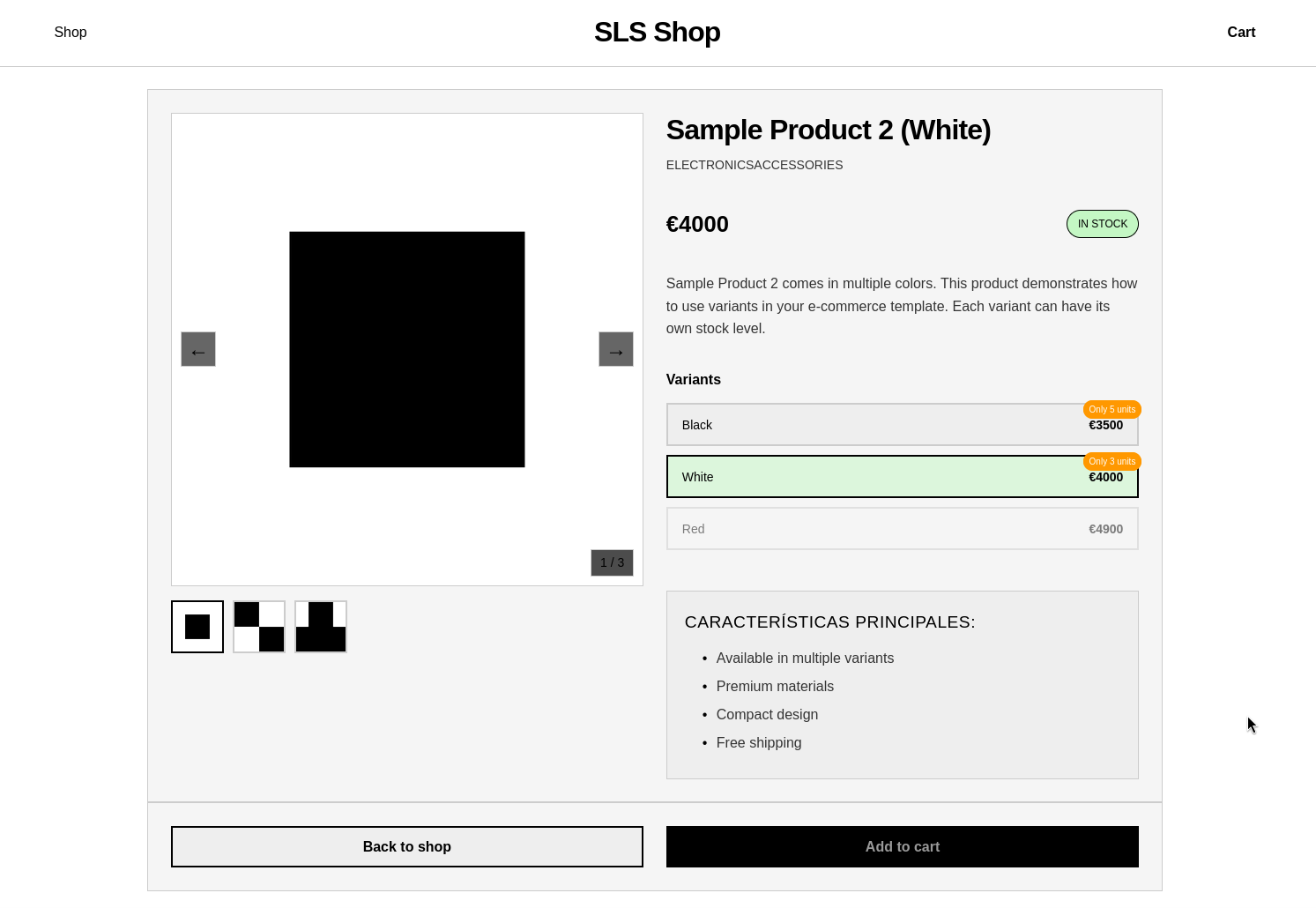
Desarrollada con:
- Vite para compilar.
- Vue 3 para la interfaz (con Pinia para gestionar estados).
- Netlify para funciones serverless y despliegue.
- Neon para base de datos (PostgreSQL). Te cobra por uso (CU, Compute Units). Poco tráfico = cero coste. Mucho tráfico = probablemente estés vendiendo y te lo puedas permitir.
- Stripe para pagos.
Pero tú móntala con lo que te salga del culo. Si tienes un perfil techi, te animo a cuestionar cada parte, cargarte lo que no te guste y construir en base a tus preferencias. La idea no es que copies esto línea por línea a menos que quieras… La idea es que entiendas el concepto y lo adaptes a tu filosofia o forma de trabajar.
¿Por qué existe esto? Porque el e-commerce tradicional está bien, pero no para todos.
Shopify o Prestashop funcionan que te cagas. Si tienes presupuesto y quieres empezar a vender mañana no te calientes la cabeza… Pero si lo que quieres es entender cómo funciona tu propia tienda, tener acceso total a tus datos, no pagar comisiones por venta y construir sobre algo que sea tuyo… necesitas otra cosa.
Esta plantilla es esa otra cosa. No es perfecta. Sigo usando infraestructura ajena. No te voy a vender soberanía digital absoluta. Pero sí te traigo menos dependencias, menos costes fijos y más control.
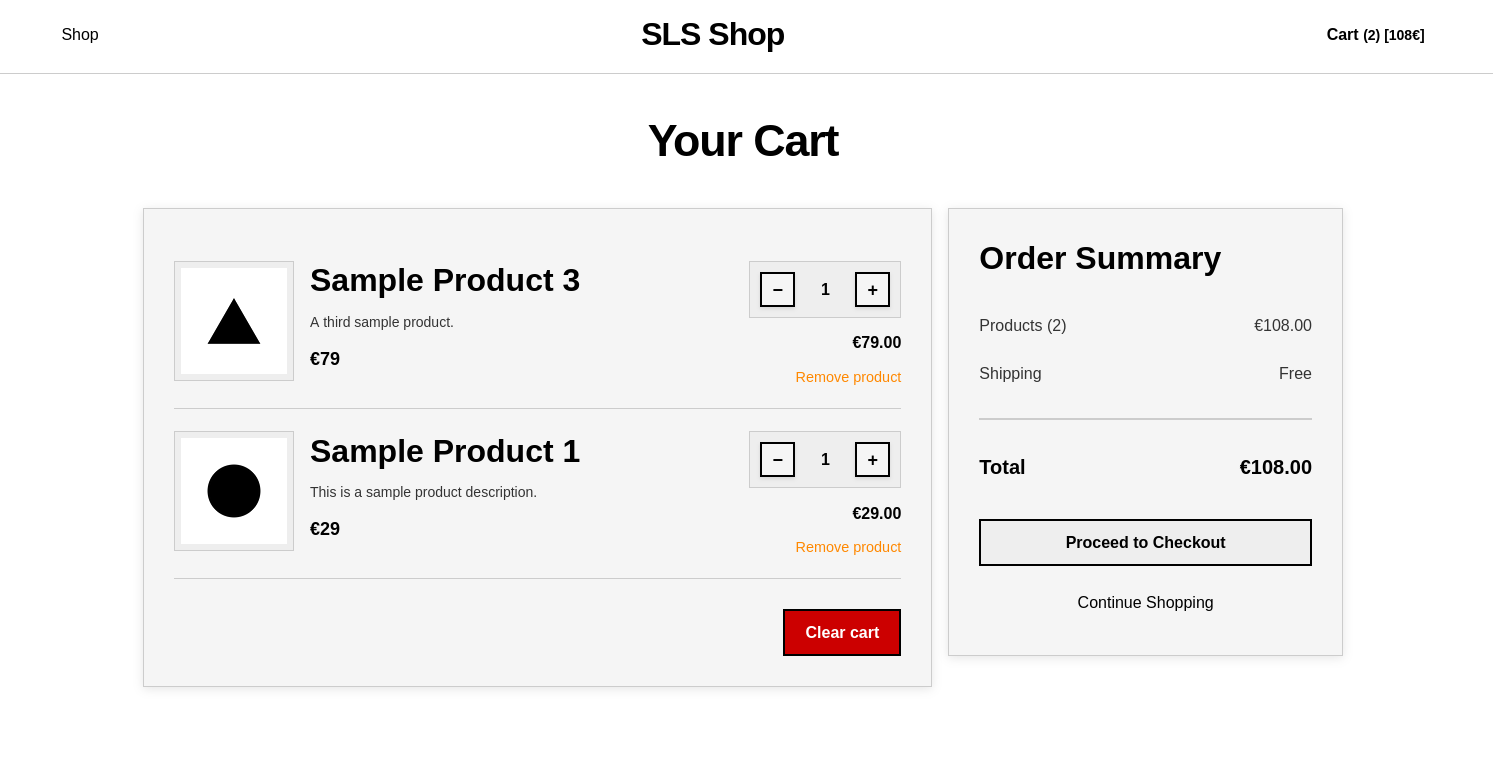
Si quieres ir más radical y montarlo todo en tu servidor, hazlo. Si quieres enchufar tu gestor de contenido favorito, adelante. Si quieres cambiar la base de datos por archivos JSON, perfecto. El código está ahí (Github). Clónalo, rómpelo, mejóralo. Haz lo que quieras con él.
No vengo a revolucionar nada. Vengo a contarte que existe otra forma de construir un comercio electrónico. De forma más ligera, más barata y más tuya. En un par de meses te mostraré el proyecto que estoy construyendo basado en esto. De momento te traigo una DEMO para que puedas hacerte a la idea e ir inspirándote ;)
Un abrazo virtual,